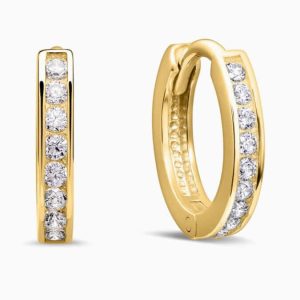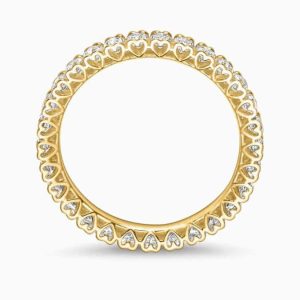
What is the difference between lab-grown diamonds and regular diamonds?
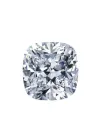
Regular diamonds and lab-grown diamonds are essentially the same in terms of their structure. Lab-grown diamonds are created under controlled conditions in a laboratory and are identical in chemical and physical structure to regular diamonds mined from mines. In contrast, mined diamonds are formed under natural conditions in the earth’s crust over millions of years
How do rings with lab-grown diamonds compare to rings with regular diamonds?
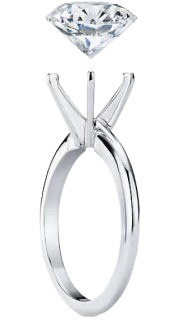
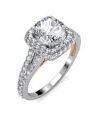
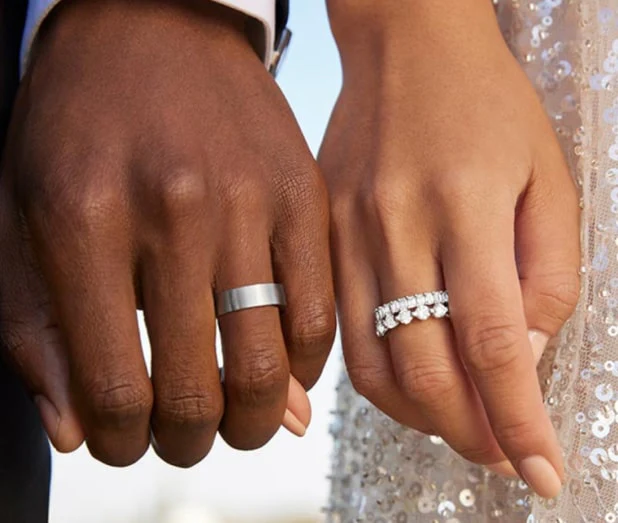
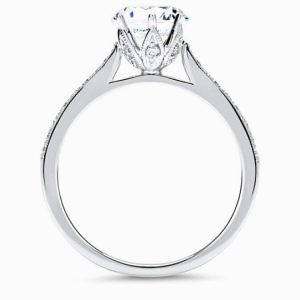
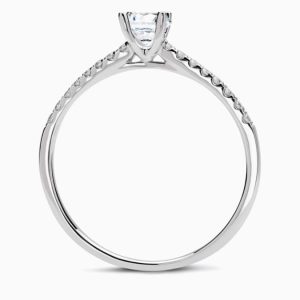
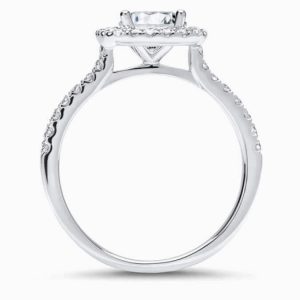
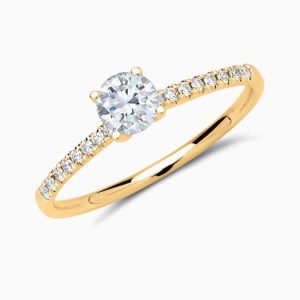
Lab-grown diamond engagement rings are comparable to those with mined diamonds in many ways. Lab-grown diamonds offer the same dazzling, brilliant look, but at a lower price and without the environmental and social impact of mining conventional diamonds
Do lab-grown diamonds have flaws like regular diamonds?
Yes, like regular diamonds, lab-grown diamonds can have imperfections and slight variations.
How does the price of a ring with a lab-grown diamond compare to the price of a ring with a regular diamond?
Engagement rings with lab-grown diamonds are generally cheaper than those with regular diamonds cut from mines, with the quality and appearance being very similar.
How is the quality of a lab-grown diamond determined and what to check?
When examining the quality of a lab-grown diamond, it is important to pay attention to the criteria of the 4 C’s: carat (weight), cut, color, and clarity. A quality diamond will display a precise cut, a color without hue, and clarity with few flaws. Make sure that the stone is indeed a lab-grown diamond and not a simulant such as moissanite or zircon. This can be verified with a certificate of authenticity from a certified gemological institute such as GIA or IGI. It is important to purchase from a reliable store that provides this certificate and offers a warranty on the product. If in doubt, it is recommended to contact a gemological laboratory for further examination